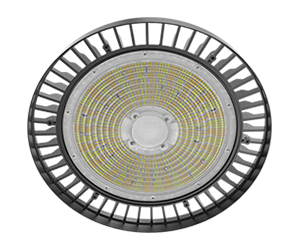
consultant approved conveyor area ex safe lights?
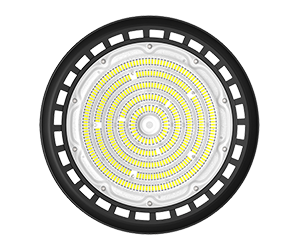
f
Performing across habitats with flammable materials entails definite profound plan about energy precautions. Shockproof bulbs stand as particularly engineered to restrain flamming among previously mentioned unsafe areas, ordinarily tagged namely Class I, II, or III parts. Those light sources are scarcely purely "sturdy" – these carry out employing one concept concerning containment: if particular flash actually transpire amid the housing, it's confined and does not propagate around the adjacent condition. Deciding on the correct classification of blast resistant lighting represents crucial and is influenced by aspects like the gas available, its level, and the thermal level of the apparatus. At all times seek with a professional consultant to make certain conformance with local guidelines and to ensure a sound working. Deficiency to do so can result in serious outcomes.
Fathoming Explosion Resistant Lighting Solutions Requirements
Maintaining worker care and preventing catastrophic accidents in hazardous settings demands meticulous attention to explosion proof luminaires regulations. The referred guidelines typically stem from organizations like the National Electrical Guideline (NEC) and globally recognized inspection bodies, ensuring equipment can withstand likely ignition sources such as ignitable gases, vapors, or dust. Proper preference involves considering the precise Class and Subdivision designation of the establishment, which dictates the level of safeguard needed – from intrinsically harmless designs to enclosures capable of containing an inherent combustion. Adherence with these instructions isn't merely a counsel; it’s a legal and ethical bond vital for protecting lives and property.
Explosion-Proof Luminaires: A In-Depth Summary
Ensuring security in likely unsafe circumstances is paramount, and explosion-proof devices play any important involvement in supporting this goal. Those explicitly designed lighting units are assembled to oppose burnable sites, blocking flaming of substances and liquids. Understanding the fundamentals of explosion proof approval, various classes of fixtures, and suitable usage is completely necessary for compliance and to protecting a stable commercial setting. The mentioned essay will analyze into aforementioned features, offering valuable observations for consultants and premises coordinators.
Semiconductor Light Sparkproof Illumination: Efficiency
Relating to settings where inflammable liquids or dusts are situated, usual lamps can present a significant peril. Luckily enough, LED explosion-proof lights provide a resilient solution that joins unequaled performance with important defense. Such latest arrangements utilize greatly reduced fuel than previous equipment, bringing about reduced payments and a reduced strain. Furthermore, the tough construction of these sources verifies continuous activity even in the most demanding production settings, diminishing the risk of lighting.
Choosing the Right Shockproof Lighting Systems for Unsafe Zones
Maintaining secure performance within hazardous zones demands scrupulous consideration when specifying lighting means. More than simply procuring a fixture, it's crucial to perceive the particular labeling of the environment – whether it's Category I, II, or III, and segments 1 or 2. The correct lighting category – generally explosion-proof – must be authorized by a well-known testing agency such as FM to secure it is capable of withstand the probable for lighting. As well, elements like ambient climate , amperage requirements, and sheen levels should be diligently examined to yield superior performance and maintain adherence with all pertinent defense ordinances. Ignoring these elements could cause major impacts.
Survey of Benefits of Hazardous Location Fixtures in Facility Locations
Securing a stable and faithful operational environment is paramount in industrial settings, particularly those dealing with volatile materials. Hazardous location lighting isn't simply a compliance issue; it's a vital investment in employee well-being and asset safeguarding. The mentioned dedicated fixtures are meticulously crafted to contain an inner explosion, preventing lighting of surrounding particles. Beyond this primary task, they commonly offer improved hardiness in harsh settings, reducing upkeep frequency and downtime. Furthermore, the adoption of state-of-the-art sparkproof lighting solutions, such as diode-based technology, can yield significant money savings and a more green operation, while together enhancing workplace illumination and overall efficiency.
Preserving Your Explosion-Proof Lights: Exemplary Systems
Scheduled checkup is imperative for guaranteeing the performance of your explosion-proof lighting assemblies. Open with a extensive visual examination for any signs of conspicuous damage, such as ruptures or oxidation. Consistently clean the lenses to cleanse dust and matter, which can damage light emission. What's more, ensure each connections are snug and without of corrosion. Establish a scheduled assessment program, following the supplier's directives and applicable protection regulations. Finally, store complete data of all fixing work for review objectives.
What pertains to Intrinsically-safe Illumination Devices how Mechanisms it Behave?
Blastproof lighting are specially crafted devices intended to restrain sparking in threatening areas, like volatile facilities or dusty particles manipulation zones. Essentially, instead of curbing electrical arcs from occurring, these devices encapsulate any potential flash within a secured fixture. This approach typically involves using strong frames, often formed of manufactured steel, that are linked and infused with a safe component, like sand, to soak up any interior energy outflow from an glint. The design ensures that any inside flare doesn’t escape to the neighboring realm, thus mitigating a larger accident.
Distinguishing Explosion Proof Light Types: ATEX, IECEx, UL
Finding the appropriate "appropriate" explosion-proof "fixtures" for hazardous "territories" can be complicated, particularly when pondering differing certification "specifications". ATEX, IECEx, and UL are three primary" certifications, each with its own "system" and area". ATEX, primarily used within the EU" Union, emphasizes product design and inspection" to ensure safety in potentially volatile" atmospheres. IECEx, an international certification, offers a extensively" recognized benchmark" and often permits" reciprocal recognition, facilitating" compliance across multiple "territories". Finally, UL (Underwriters Laboratories) routinely" focuses on North American "mandates" and provides a well-established" certification system known for its detailed" testing "methods". While overlaps appear, the distinct" testing "techniques" and recording" differ, making a careful "investigation" crucial for ensuring full regulatory" compliance and a secure" working "atmosphere".
LED Lighting vs. Classic Blast-Proof Lamps: Which is More Efficient?
Weighing between LED and ex proof lights conventional hazardous location {lights|fixtures|luminaires|lamps|lighting systems|illum