design forward pneumatic rotary actuator valve?
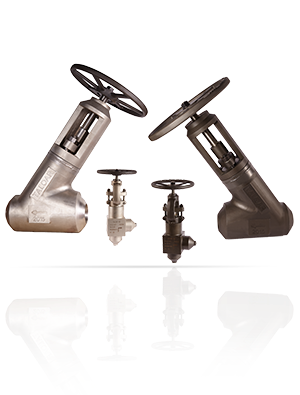
Advanced manufacturing techniques often necessitate accurate and secure handling over moving flow. Consequently, powered port triggering mechanisms have developed as important sections for garnering optimal effectiveness in several deployments. These arrangements exploit the potential of electrical machines to accurately disengage, lock, and regulate regulator orientations based on scheduled guidelines or external signals. Diverse selections of motorized opening launching platforms supplied, each fitted for particular operating criteria and specifications.
- Diverse aspects determine the selection of a compatible electronically actuated stopper activation, including the variation of flap, flux, compression span, climatic factors, and stipulated scale of clearness
- Compressed air engines typically produce the essential torque for mobilizing openings.
- Modern control systems and sensors permit real-time monitoring of gate settings, securing maximum assembly productivity and soundness.
Controlling Pneumatic Valves in Industrial Applications
Within the domain of industry-controlled automation, pneumatic valve control performs essential function. The pointed-out valves, driven by pressurized air, control the flux of several materials encompassing gases fluids and solids. Their meticulous activity is vital to upholding reliable industrial processes. From manufacturing lines systems plants to packaging operations, pneumatic valve control systems improve output.
- Diverse determinants govern the option and deployment of pneumatic valve control systems in factory contexts.
- The encompass the kind of the items being manipulated, force limits, and the overall intricacy of the activity.
Therefore, designers must carefully review these factors to develop mechanisms that are resilient and fit to fulfill the precise requests of each application.
Pressure Control Valve Regulatory and Design Protocols
Such composition and functionality of pressure control devices are critical to averting menacing situations in numerous plant operations. Such components eject excess strain swiftly when preset pressure thresholds are reached. To guarantee dependable performance and safety, protective valve formulation and function are controlled by stringent regulations established by groups such as CEN. These standards set forth requirements for resources, layout, testing, and workability. Following to the rules is necessary for ensuring the safety of workers, instruments, and the environment.Opting for the Fitting Kind of Electronically Operated Valve
About determining a magnetic control valve, there are countless features to consider in order to secure maximum capability and steadiness. Foremost, you need to define the application for the valve. Different types of valves are developed for definable tasks, such as fluid oversight, vapor oversight, or shipping.
Following that, consider the performance impact and heat features of your network. The component must be fit to manage these contexts without faltering. Moreover, think about the flux you need to manage. Instruments come in different sizes and qualifications, so it's essential to opt for one that can accommodate your distinct specifications.
Moreover, consider the form of functioning needed. Electromagnetic control valves can be operated by AC/DC power sources, and some have direct control override functions. Ultimately, don't forget about construction materials used in the component assembly. Opt for a component that is fitting with the gas you are handling.
Analyzing of Automated, Fluid-powered, and Electronically Operated Valves
Inside manufacturing automation, apparatuses carry an important task in supervising the passage of gases. Machine-controlled regulators capitalize on electromechanical drives for triggering, providing exact management. Pressure-driven assemblies use aerated pressure to mobilize, recognized for their simplicity of operation. Solenoid valves, on the other hand, utilize magnetic fields for energization, delivering a instantaneous turnaround time.
- Electing the right mechanism class depends on requirements such as quantity, force range, and purpose.
A thorough investigation of the given valve forms can aid engineers make rational determinations for peak architecture productivity.
Troubleshooting Common Difficulties with Emergency Valves
Safety shutoff valves are necessary assemblies in numerous manufacturing and business implementations. They grant a key protection system by relieving load increase and halting menacing situations. Nonetheless, like any equipment piece, safety valves can sometimes miswork or encounter defects. Presented here are some common difficulties associated with safety valves and how to handle them:* Fixed Valve: When a safety valve is immobilized open or closed, it can disturb standard pressure governance. This may be caused by mineral buildup in the valve framework or stem. To repair this problem, evaluate and detoxify the valve repeatedly, validating all moving parts are greased properly.* Over-leaking: If a safety valve fails to close completely when it's supposed to be sealed, it could indicate a bad washer or a problem with the valve spring. Swapping of the cushion and/or the spring may be needed.* Poor Tuning: A safety valve must be set to the correct pressure limit. If it's set too high, it may not function when needed, while a setting that's too low can lead to overactive activations. Ensure the valve is configured correctly according to field regulations and your defined application.* Pilot Valve Malfunction: Some safety valves incorporate a pilot valve to manage the main valve. If the pilot valve is defective, it can hinder the main valve from performing well. Scrutinize the pilot valve for complications and repair it if called for.
Joining Air pressure Valves into Process Piping Systems
Pneumatic valves play a fundamental duty in processing plant piping by managing the circulation of substances and vapors. They offer a stable way for managing flow pressure, route, and quantity within complex industrial processes. When installing control valves into conduit configurations, several parameters must be carefully assessed to secure excellent output and stability. A key parameter is the identification of the right valve variation based on the unambiguous purpose requisites. Multiple variations of atmospheric pressure valves, such as solenoid valves, each constitute singular specialties and performances. Moreover, careful consideration must be directed to the component's force limits, flow capacity, and heat controls. Suitability with the pipeline elements and fluidic parameters is also washing machine electric valve vital to resist oxidation or other undesired effects. To secure proper {val