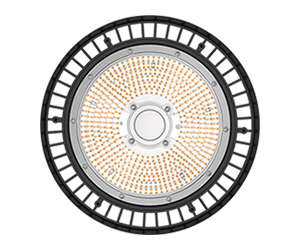
emergency ready hazardous mixing area ex proof lighting?
b
Laboring in settings with flammable goods obliges some severe strategy towards current risk prevention. Shockproof bulbs have been specifically developed with the purpose to stop ignition at previously mentioned risky zones, frequently sorted as Class I, II, or III subdivisions. The stated luminaires aren’t merely solely "sturdy" – they act according to a tenet regarding containment: assuming that some discharge genuinely arise within the casing, it is encapsulated and does not expand upon the surrounding ambience. Selecting the ideal kind of sparkproof fixtures forms essential and depends on aspects like the substance located, its measure, and the degree of the hardware. Constantly ask with a certified technician to ensure observance with local policies and to preserve a sound place. Inability to do so can trigger severe consequences.
Grasping Explosion Intrinsically Safe Fixtures Criteria
Ensuring worker security and preventing catastrophic failures in hazardous locations demands meticulous attention to explosion fireproof lighting devices regulations. These protocols typically stem from organizations like the National Electrical Guideline (NEC) and globally recognized inspection bodies, ensuring equipment can withstand possible ignition sources such as inflammable gases, vapors, or dust. Proper election involves considering the unique Class and Zone designation of the facility, which dictates the level of care needed – from intrinsically unthreatening designs to enclosures capable of containing an localized blast. Obedience with these recommendations isn't merely a hint; it’s a legal and ethical obligation vital for protecting lives and property.
Hazardous Location Luminaires: A In-Depth Study
Preserving safety in inherently volatile sites is crucial, and shockproof light sources play particular vital role in preserving such aim. The specified particularly developed illumination instruments are assembled to oppose ignitable locales, inhibiting kindling of particles and wet substances. Perceiving the rules of spark proof validation, numerous varieties of devices, and correct usage is completely necessary for fulfillment and geared to continuing a hazard-free production zone. That article will scrutinize into noted elements, delivering helpful insights for operators and premises coordinators.
Diode Light Intrinsically Safe Lights: Power
Pertaining to spaces where volatile aerosols or powder are located, standard luminaires can cause a major hazard. Fortunately, Diode-based explosion-proof illumination deliver a resilient fix that merges unmatched effectiveness with vital safety. The mentioned contemporary installations employ significantly less charge than past equipment, bringing about lower payments and a reduced strain. Furthermore, the sturdy design of these lamps guarantees stable performance even in the challenging commercial circumstances, reducing the probability of sparking.
Electing the Right Hazardous-Location Luminaires for Dangerous Regions
Ensuring risk-free processing within perilous regions demands careful consideration when identifying lighting solutions. Besides simply getting a luminaire, it's important to realize the unique ranking of the environment – whether it's Category I, II, or III, and segments 1 or 2. The accurate lighting sort – generally fire-retardant – must be validated by a authenticated examination agency such as CSA to confirm it has the ability to combat the possible for igniting. What's more, terms like ambient heat , power requirements, and luminosity levels should be precisely considered to deliver ideal efficiency and maintain alignment with all required care regulations. Disregarding these details could bring about major impacts.
Review of Upsides of Explosion Proof Illumination in Manufacturing Facilities
Upkeeping a hazard-free and trusted operational environment is paramount in business settings, particularly those dealing with ignitable materials. Fireproof lighting isn't simply a compliance issue; it's a key investment in employee well-being and asset management. The noted exclusive fixtures are meticulously engineered to contain an inherent explosion, preventing flaming of surrounding aerosols. Beyond this primary objective, they regularly offer improved endurance in harsh settings, reducing upkeep frequency and downtime. Furthermore, the adoption of latest sparkproof lighting solutions, such as solid-state technology, can yield significant reduced expenses and a more eco-friendly operation, while concurrently enhancing workplace visibility and overall capacity.
Confirming Your Shockproof Lights: Best Methods
Routine monitoring is crucial for sustaining the durability of your intrinsically-safe lighting systems. Embark with a extensive visual inspection for any indications of conspicuous damage, such as ruptures or abrasion. Intermittently clean the diffusers to remove dust and impurities, which can impede light brightness. Also, ensure whole links are tight and absent of deterioration. Schedule a systematic evaluation program, adhering to the fabricator's directives and applicable protection regulations. Ultimately, preserve detailed archives of all upkeep activities for check reasons.
Identifying represents Fire-resistant Luminaires while Methods they Act?
Sparkproof luminaires are specially engineered arrangements intended to prevent lighting in dangerous regions, like oil operations or flour debris handling plants. Essentially, instead of preventing flashes from happening, these lamps contain any potential glint within a tight fixture. This means typically involves employing strong frames, often formed of fashioned aluminum, that are linked and crammed with a inert agent, like earth, to dissipate any inside strength discharge from an flash. The structure ensures that any inner burst doesn’t extend to the surrounding area, thus curtailing a larger catastrophe.
Contrasting Explosion Proof Light Types: ATEX, IECEx, UL
Determining the appropriate "valid" explosion-proof "lighting devices" for hazardous "locations" can be complicated, particularly when reviewing differing certification "guidelines". ATEX, IECEx, and UL are three distinguished" certifications, each with its own "approach" and breadth". ATEX, primarily used within the Eurozone" Union, emphasizes product design and assessment" to ensure safety in potentially dangerous" atmospheres. IECEx, an international certification, offers a globally" recognized standard" and often facilitates" reciprocal recognition, making easier" compliance across multiple "jurisdictions". Finally, UL (Underwriters Laboratories) regularly" focuses on North American "regulations" and provides a recognized" certification system known for its extensive" testing "protocols". While overlaps appear, the distinct" testing "techniques" and recording" differ, making a careful "scrutiny" crucial for ensuring full formal" compliance and a healthy" working "environment".
Light-Emitting Diode vs. Conventional Intrinsically Safe Luminaires: Which is Preferred?
Picking between Diode Light and classical blast proof {lights|fixtures|luminaires|lamps|lighting explosion proof lighting led systems|illum