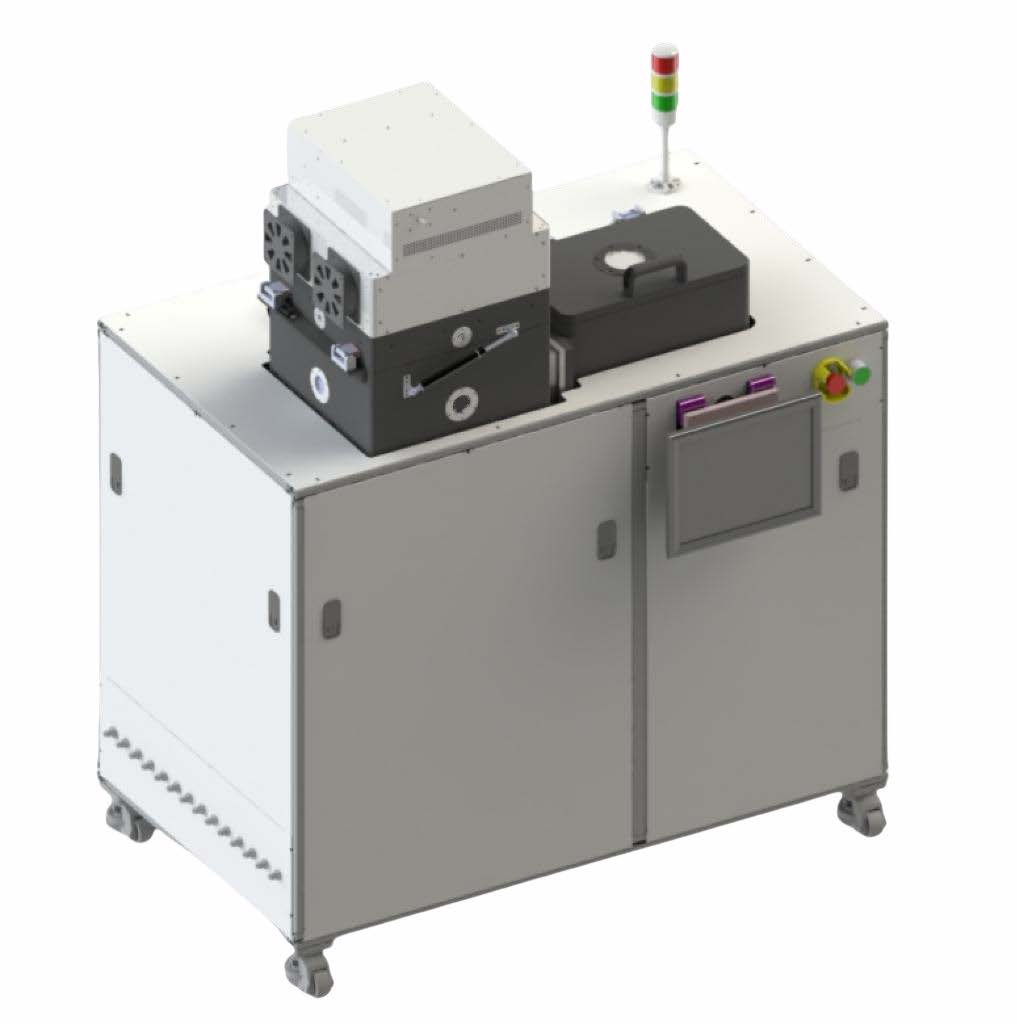
quality focused nanofabrication plasma etching support?
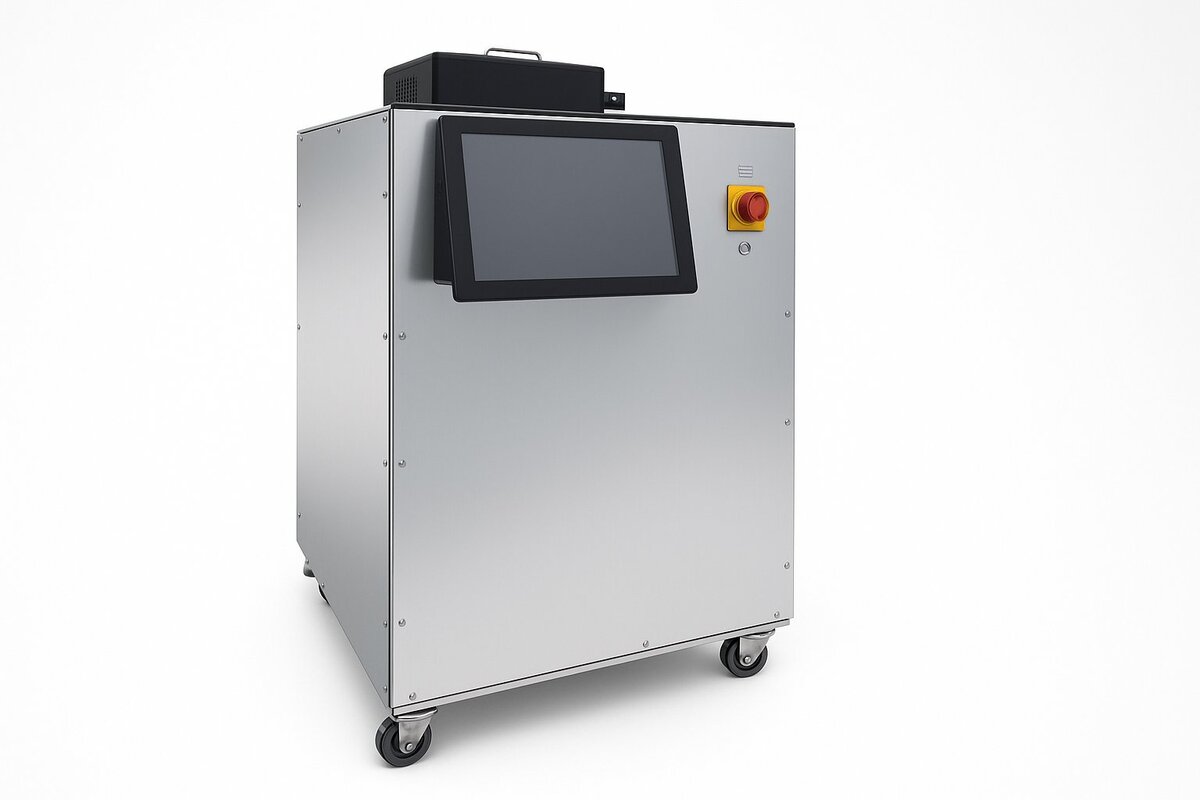
Basic Principles for plasma treatment amidst device creation. This strategy exploits energized gas to finely ablate surface materials for precise patterning during nanomanufacturing. By regulating critical parameters like reactive gases, voltage level, and confined pressure, the rate of etching, material preference, and etching orientation can be carefully optimized. Ionized gas etching has modernized device manufacturing, measuring instruments, and other cutting-edge electronics.
- Additionally, plasma etching is widely examined for disciplines like photonics, health sciences, and materials engineering.
- Multiple categories of plasma etching are available, including ion-triggered etching and inductively powered plasma etching, each with distinct assets and shortcomings.
The challenging characteristics of plasma etching involve a in-depth grasp of the fundamental physics and chemistry. This discussion seeks to offer a broad survey of plasma etching, encompassing its fundamental ideas, diverse classifications, deployments, benefits, issues, and forthcoming changes.
Riechert Etchers: Precision in Microfabrication
Focusing on small-scale production, Riechert etchers stand out as a foremost tool. These innovative devices are recognized for their impressive correctness, enabling the creation of complicated configurations at the microscopic extent. By employing sophisticated etching methods, Riechert etchers maintain faultless control of the manufacturing sequence, generating top-grade outcomes.
The scope of Riechert etchers embraces a extensive array of sectors, such as nanodevices. From constructing microchips to designing groundbreaking medical gadgets, these etchers constitute a key part in directing the evolution of engineering . With focus to mastery, Riechert establishes norms for exact microfabrication.
Basics and Deployment of Reactive Ion Etching
Ion-enhanced reactive etching remains a fundamental way in electronics production. RIE engages a fusion of atomic particles and reactive gases to carve materials with precision. This function encompasses bombarding the material base with powerful ions, which affect the material to generate volatile fume compounds that are then disposed with a vacuum system.
RIE’s capacity for differential etching makes it highly effective for producing complex patterns in electronic circuits. Applications in device fabrication comprise the manufacturing of transistors, ICs, and light devices. The technique can also make deep etches and microvias for high-capacity storage.
- Processes using RIE offer accurate management over processing velocities and etch preference, enabling the creation of sophisticated components at extreme detail.
- Diversified gas mixtures can be deployed in RIE depending on the component material and aimed process traits.
- The uniformly directed quality of RIE etching makes possible the creation of sharp contours, which is necessary for certain device architectures.
Promoting Anisotropic Etching with ICP
Magnetically coupled plasma etching has appeared as a important technique for manufacturing microelectronic devices, due to its excellent capacity to achieve high anisotropy and material selectivity. The meticulous regulation of operational factors, including voltage supply, component balances, and system pressure, ensures the exact tuning of material ablation speeds and feature configurations. This adaptability makes possible the creation of detailed forms with contained harm to nearby substances. By refining these factors, ICP etching can significantly alleviate undercutting, a recurrent complication in anisotropic etching methods.
Cross-Examination of Etching Approaches
Ion-assisted etching procedures are broadly executed in the semiconductor realm for formulating sophisticated patterns on workpieces. This exploration investigates a range of plasma etching approaches, including atomic layer deposition (ALD), to judge their performance for varied substrates and functions. The analysis points out critical parameters like etch rate, selectivity, and profile accuracy to provide a broad understanding of the strengths and weaknesses of each method.
Fine-Tuning Process Settings to Boost Etching Speed
Gaining optimal etching speeds in plasma methods is dependent on careful control recalibration. Elements such as energy level, gas formulation, and environmental pressure notably modify the rate efficiency. By intentionally refining these settings, it becomes possible to improve functional output.
Insight into RIE Chemistry
Energetic ion chemical etching is a primary process in microfabrication, which requires the engagement of reactive energized particles to accurately remove materials. The core principle behind RIE is the chemical exchange between these stimulated ions and the material interface. This exchange triggers molecular interactions that fragment and shed fragments from the material, yielding a required structure. Typically, the process utilizes a concoction of activated gases, such as chlorine or fluorine, which become reactive ions within the etch cell. These high-energy ions assail the material surface, prompting the etching reactions.The effectiveness of RIE is influenced by various factors, including the type of material being etched, the choice of gas chemistries, and the working parameters of the etching apparatus. Accurate control over these elements is vital for attaining high-quality etch formations and avoiding damage to bordering structures.
Shaping Etch Outcomes in ICP Systems
Ensuring strict and predictable shapes is important for the achievement of various microfabrication operations. In inductively coupled plasma (ICP) procedure systems, governance of the etch contour is critical in shaping dimensions and characteristics of fragments being manufactured. Critical parameters that can be adjusted to control the etch profile feature etching atmosphere, plasma power, device temperature, and the electrode configuration. By methodically varying these, etchers can generate profiles that range from symmetrical to highly structured, dictated by explicit application needs.
For instance, predominantly anisotropic etching is regularly sought to create lengthy cuts or interconnect openings with clearly marked sidewalls. This is executed by utilizing considerable fluorine gas concentrations within plasma and sustaining controlled substrate temperatures. Conversely, uniform etching makes softly contoured profiles owing to its three-dimensional character. This kind can be advantageous for broad substrate processing or texturing.
Moreover, modern etch profile techniques such as deep reactive ion enable the fabrication of ultra-fine and high, narrow features. These techniques generally need alternating between etch cycles, using a compound of gases and plasma conditions to attain the aimed-for profile.
Recognizing major variables that shape etch profile precision in ICP etchers is indispensable for improving microfabrication techniques and realizing the targeted device output.
Etching Technologies in Semiconductors
Ionized particle machining is a vital process executed in semiconductor manufacturing to accurately ablate substances from a wafer layer. This method implements charged plasma, a integration of ionized gas particles, to etch specific sites of the wafer based on their molecular profile. Plasma etching combines several strengths over other etching strategies, including high etch precision, which facilitates creating narrow trenches and vias with controlled sidewall wear. This meticulousness is central for fabricating complex semiconductor devices with stratified structures.
Functions of plasma etching in semiconductor manufacturing are broad. It is leveraged to build transistors, capacitors, resistors, and other core components that constitute the cornerstone of integrated circuits. In addition, plasma etching plays a crucial role in lithography operations, where it promotes the meticulous organization of semiconductor material to form circuit arrangements. The exquisite level of control afforded by plasma etching makes it an crucial tool for leading semiconductor fabrication.
Future Plasma Etching Innovations
Reactive ion etching methods progresses steadily, driven by reactive ion etcher the rising need of advanced {accuracy|precision|performance