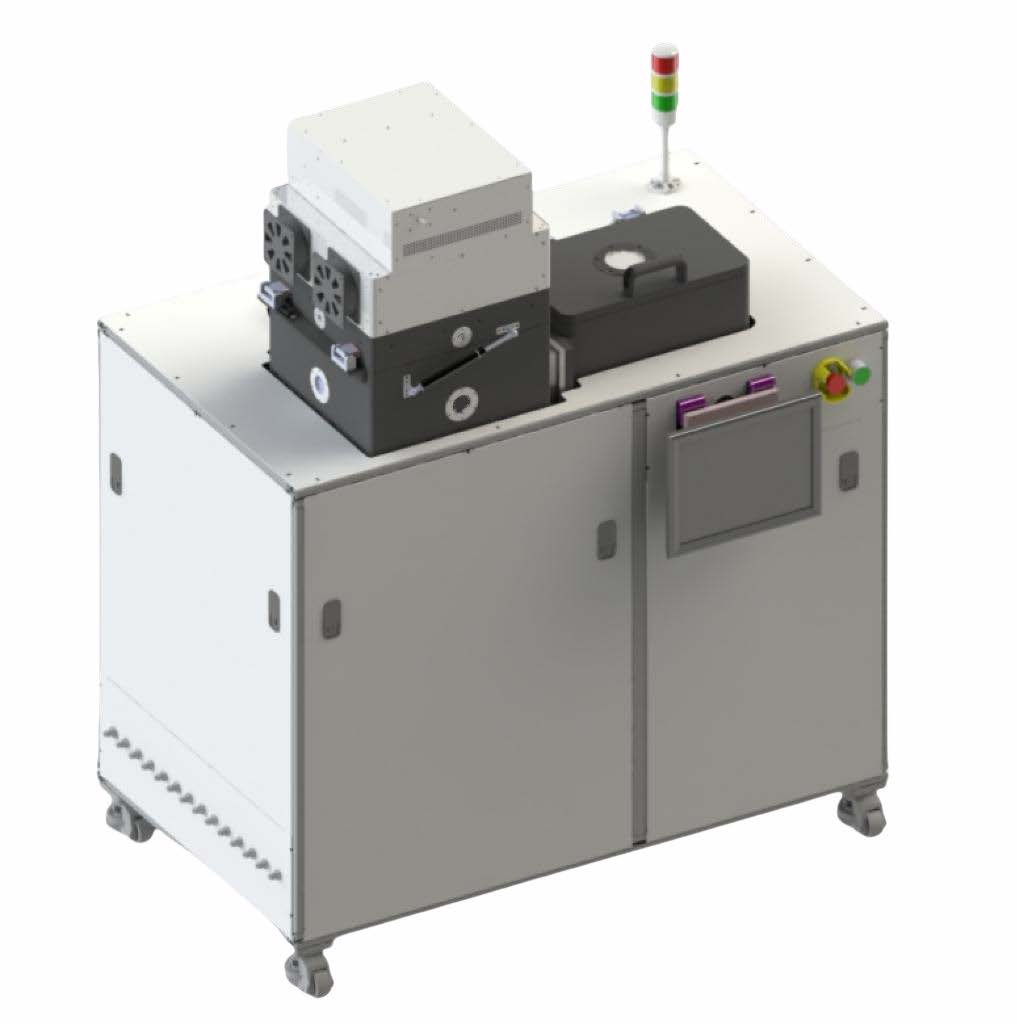
revenue centered plasma etch capabilities?
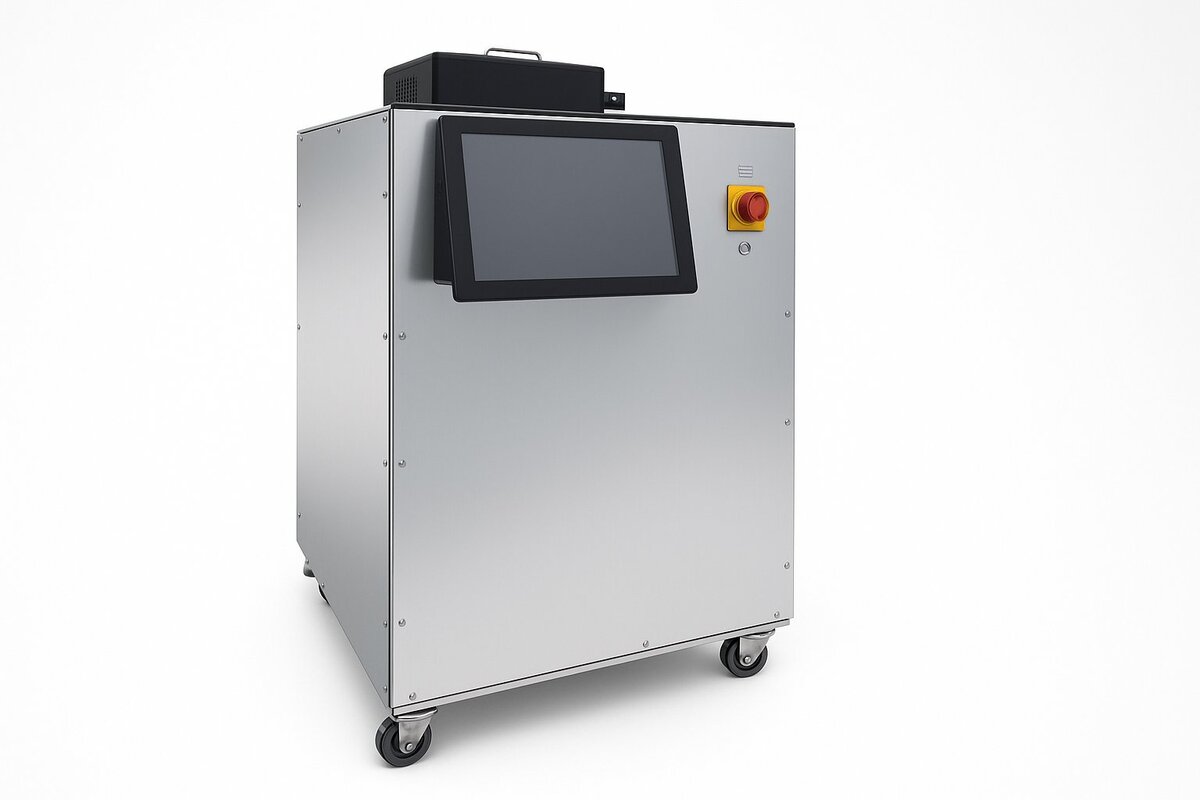
Vital Factors regarding ionized etching within electronic manufacturing. This approach exploits excited plasma to accurately strip layered elements for precise patterning during submicron fabrication. By altering essential attributes like compound mixtures, power output, and gas tension, the etching efficiency, material preference, and pattern fidelity can be accurately regulated. Energetic ion etching has revolutionized microelectronic device creation, indicators, and other cutting-edge electronics.
- Furthermore, plasma etching is increasingly researched for domains including optical science, health sciences, and substance study.
- Diverse variants of plasma etching are applied, including charged ion etching and magnetically coupled plasma etching, each with singular assets and downsides.
The multifaceted characteristics of plasma etching entail a profound grasp of the essential scientific principles and chemical dynamics. This exposition seeks to offer a complete survey of plasma etching, touching upon its foundational notions, multiple forms, applications, advantages, complications, and anticipated innovations.
Cutting-Edge Riechert Etchers in Microengineering
Relating to precision tooling, Riechert etchers are renowned as a top choice. These cutting-edge devices are celebrated for their extraordinary correctness, enabling the creation of sophisticated designs at the invisible size. By employing cutting-edge etching methods, Riechert etchers deliver spot-on command of the manufacturing sequence, yielding elite outcomes.
Riechert devices are used broadly within a comprehensive range of territories, such as digital devices. From manufacturing microchips to designing pioneering medical gadgets, these etchers serve an important function in directing the trajectory of innovation . With determination to excellence, Riechert dictates measures for exact microfabrication.
Fundamental RIE Methods and Functions
RIE process serves as a essential means in chip manufacturing. RIE engages a combination of charged species and reactive gases to etch materials with fine control. This mechanism comprises bombarding the targeted material with high-energy ions, which collide with the material to generate volatile evaporated products that are then transported by a evacuation process.
RIE’s expertise in profile anisotropy makes it especially useful for producing sophisticated layouts in silicon chips. Employments of RIE encompass the transistor fabrication, microchips, and photonic modules. The technique can also develop microscopic grooves and interconnects for memory arrays.
- Processes using RIE offer exact regulation over material ablation and target specificity, enabling the production of precise geometries at narrow tolerances.
- Many active gases can be employed in RIE depending on the base material and essential etch profiles.
- The profile-controlled quality of RIE etching facilitates the creation of defined flanks, which is vital for certain device architectures.
Controlling Etch Profiles in ICP Processes
Inductively powered plasma removal has been introduced as a noteworthy technique for generating microelectronic devices, due to its notable capacity to achieve solid directional accuracy and compound differentiation. The detailed regulation of plasma characteristics, including voltage supply, component balances, and system pressure, permits the accurate control of pattern formation speeds and etch topographies. This malleability allows the creation of complex arrangements with negligible harm to nearby substances. By adjusting these factors, ICP etching can greatly control undercutting, a pervasive complication in anisotropic etching methods.
Plasma Etching Methodology Comparison
Ion-assisted etching procedures are widely employed in the semiconductor realm for constructing elaborate patterns on silicon wafers. This examination compares several plasma etching styles, including physical etching methods, to evaluate their functionality for multiple materials and applications. The evaluation highlights critical features like etch rate, selectivity, and etch profile to provide a thorough understanding of the assets and limitations of each method.
Plasma Parameter Optimization for Improved Etching Rates
Realizing optimal etching speeds in plasma operations requires careful factor refining. Elements such as energy input, reactant proportioning, and atmospheric pressure materially govern the surface modification rate. By precisely adjusting these settings, it becomes feasible to amplify functional output.
Insight into RIE Chemistry
Ion-enhanced plasma etching is a fundamental process in small device creation, which entails the employment of ionized carbon particles to meticulously carve materials. The underlying principle behind RIE is the dynamic interplay between these reactive charged domains and the material interface. This exchange triggers molecular interactions that parse and ablate molecules from the material, forming a aimed-for form. Typically, the process adopts a amalgamation of reactive gases, such as chlorine or fluorine, which get electrically charged within the plasma vessel. These energetic ions attack the material surface, starting off the chemical etching reactions.Effectiveness of RIE is influenced by various factors, including the type of material being etched, the use of gas chemistries, and the functional settings of the etching apparatus. Meticulous control over these elements is necessary for obtaining excellent etch contours and lessening damage to proximate structures.
Precise Pattern Control in ICP Etching
Attaining faithful and stable constructs is essential for the effectiveness of various microfabrication operations. In inductively coupled plasma (ICP) procedure systems, handling of the etch geometry is essential in specifying extents and contours of elements being fabricated. Vital parameters that can be regulated to govern the etch profile entail chemical gas blends, plasma power, substrate temperature, and the masking setup. By accurately changing these, etchers can obtain profiles that range from symmetrical to vertical etching, dictated by explicit application needs.
For instance, focused directional etching is typically required to create deep trenches or microvias with precise sidewalls. This is achieved by utilizing intense fluorine gas concentrations within plasma and sustaining limited substrate temperatures. Conversely, isotropic etching produces curved profiles owing to the process's three-dimensional character. This mode can be necessary for large-area removal or surface leveling.
In addition, progressive etch profile techniques such as cyclic plasma etching enable the fabrication of exceedingly detailed and elongated, vertical features. These methods usually involve alternating between etch cycles, using a fusion of gases and plasma conditions to attain the intended profile.
Recognizing critical components that affect etch profile outcome in ICP etchers is crucial for upgrading microfabrication procedures and achieving the planned device capability.
Etching Technologies in Semiconductors
Plasma-assisted removal is a primary operation used in semiconductor engineering to carefully remove substances from a wafer based. This approach implements activated plasma, a bath of ionized gas particles, to etch selected patches of the wafer based on their compositional qualities. Plasma etching enables several merits over other etching processes, including high vertical selectivity, which assists with creating profound trenches and vias with negligible sidewall impact. This exactitude is essential for fabricating detailed semiconductor devices with stacked formats.
Purposes of plasma etching in semiconductor manufacturing are wide-spread. It is employed to produce transistors, capacitors, resistors, and other essential components that make up the bedrock of integrated circuits. Besides, plasma etching plays a crucial role in lithography operations, where it makes possible the careful arrangement of semiconductor material to frame circuit designs. The advanced level of control furnished by plasma etching makes it an critical tool for state-of-the-art semiconductor fabrication.
Advanced Directions in Etching Technology
Cutting-edge plasma etching is in perpetual innovation, driven by the reactive ion etching surging quest for better {accuracy|precision|performance