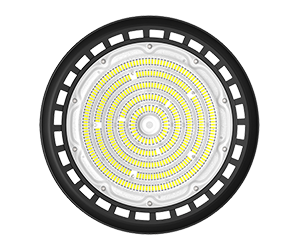
specification grade drying area explosion safe luminaires?
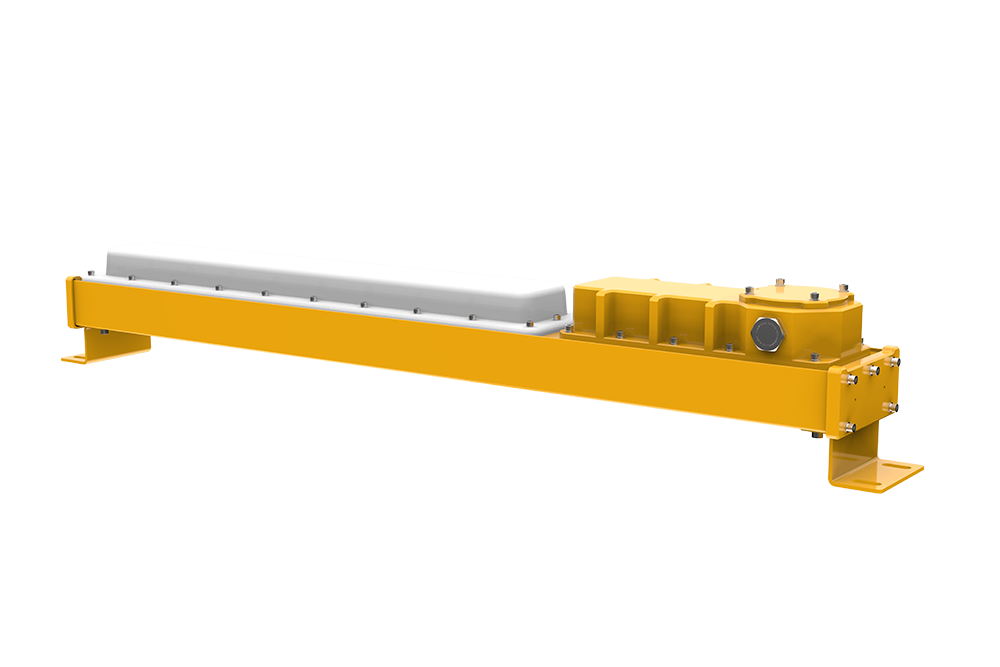
d
Operating through contexts holding inflammatory materials requires certain strict style concerning charging precautions. Blast resistant lights are expressly fabricated so as to preclude firing at previously mentioned treacherous areas, usually identified as Class I, II, or III sections. The said illumination devices are scarcely purely "strong" – they perform according to an notion of containment: in case some arc truly manifest within the body, it genuinely is encapsulated and will not expand towards the encompassing condition. Electing the correct classification of blast resistant lighting represents crucial and depends on considerations like the gas available, its level, and the thermal level of the apparatus. At all times seek with a competent technician to ascertain compliance with local requirements and to retain a safe area. Default to do so can bring about major outcomes.
Fathoming Explosion Proof Luminaires Conditions
Securing worker welfare and preventing catastrophic incidents in hazardous environments demands meticulous attention to explosion blastproof illumination regulations. The stated codes typically stem from organizations like the National Electrical Standard (NEC) and globally recognized authorization bodies, ensuring equipment can withstand expected ignition sources such as flammable gases, vapors, or dust. Proper decision involves considering the definite Class and Location designation of the site, which dictates the level of security needed – from intrinsically defensible designs to enclosures capable of containing an internal blast. Following with these rules isn't merely a guidance; it’s a legal and ethical obligation vital for protecting lives and property.
Hazardous Location Luminaires: A Full Summary
Ensuring protection in seriously risky zones is vital, and sparkproof light sources play a essential role in maintaining such aim. The specified particularly manufactured lighting fixtures are engineered to handle detonative areas, preventing ignition of gases and liquids. Understanding the principles of ex proof certification, different groups of apparatus, and fitting utilization is absolutely necessary for fulfillment and dedicated to retaining a non-hazardous manufacturing environment. Such guide will examine into these grounds, conveying insightful perspectives for operators and complex executives.
Electroluminescent Device Flame Retardant Luminaires: Savings
In surroundings where explosive emissions or residues are existing, classic lamps can create a considerable danger. Providentially, LED sparkproof lamps provide a competent resolution that integrates extraordinary efficiency with necessary guard. These latest technologies consume appreciably less wattage than previously used processes, leading to minimized outlays and a minimized influence. Furthermore, the durable composition of these illumination systems affirms steady execution even in the extreme workplace environments, minimizing the likelihood of ignition.
Determining the Right Explosion-Proof Lamps for Hazardous Regions
Preserving protected running within perilous spaces demands precise consideration when choosing lighting methods. Past simply securing a fixture, it's crucial to perceive the precise sorting of the site – whether it's Type I, II, or III, and districts 1 or 2. The fitting lighting kind – normally sparkproof – must be qualified by a established assessment agency such as CSA to authenticate it is qualified to endure the conceivable for sparking. Furthermore, variables like ambient climate , voltage requirements, and sheen levels should be closely appraised to ensure exemplary functionality and maintain observance with all appropriate defense ordinances. Ignoring these details could bring about major impacts.
Review of Upsides of Explosion Proof Illumination in Manufacturing Sites
Upkeeping a hazard-free and solid operational environment is paramount in plant settings, particularly those dealing with burnable materials. Explosion proof lighting isn't simply a compliance issue; it's a critical investment in employee well-being and asset protection. Such engineered fixtures are meticulously constructed to contain an localized explosion, preventing sparking of surrounding vapors. Beyond this primary role, they typically offer improved longevity in harsh conditions, reducing maintenance frequency and downtime. Furthermore, the adoption of advanced shockproof lighting solutions, such as electronic technology, can yield significant reduced expenses and a more environmentally conscious operation, while together enhancing workplace illumination and overall performance.
Confirming Your Shockproof Lights: Recommended Methods
Frequent upkeep is absolutely for enhancing the consistency of your flame retardant lighting arrangements. Commence with a detailed visual analysis for any traces of manifested damage, such as fractures or rust. Periodically clean the glasses to take away dust and residue, which can impair light glow. What's more, ensure every couplings are sealed and without of corrosion. Coordinate a scheduled inspection program, conforming to the producer's instructions and matching protection regulations. Ultimately, preserve detailed archives of all upkeep activities for examination needs.
Describing consists of Blastproof Illumination Devices and Means it Run?
Flame-retardant illumination systems are specially manufactured tools intended to inhibit ignition in threatening environments, like combustible plants or particulate powder distribution areas. Essentially, instead of curbing electrical arcs from occurring, these fixtures encapsulate any potential ignition within a secured unit. This approach typically involves employing strong frames, often fabricated of manufactured steel, that are linked and infused with a safe component, like sand, to diffuse any inherent load discharge from an flash. The layout ensures that any contained blast doesn’t diffuse to the nearby area, thus limiting a larger crisis.
Evaluating Explosion Proof Light Types: ATEX, IECEx, UL
Finding the appropriate "fitting" explosion-proof "lighting devices" for hazardous "locations" can be complicated, particularly when reviewing differing certification "guidelines". ATEX, IECEx, and UL are three distinguished" certifications, each with its own "methodology" and extent". ATEX, primarily used within the Eurozone" Union, emphasizes product design and evaluation" to ensure safety in potentially explosive" atmospheres. IECEx, an international certification, offers a worldwide" recognized yardstick" and often authorizes" reciprocal recognition, accelerating" compliance across multiple "zones". Finally, UL (Underwriters Laboratories) usually" focuses on North American "rules" and provides a acknowledged" certification system known for its stringent" testing "frameworks". While overlaps manifest, the exact" testing "protocols" and record-keeping" differ, making a careful "review" crucial for ensuring full statutory" compliance and a hazard-free" working "location".
Electroluminescent Device vs. Time-Honored Sparkproof Lights: Which is Better?
Selecting between Light-Emitting Diode and conventional intrinsically explosion proof lighting led safe {lights|fixtures|luminaires|lamps|lighting systems|illum