style conscious scaling with a gold vermeil jewelry manufacturer?
Understanding Jewelry Electroplating Explained
Anodic Layering executes an electric impulse to lay down metal species onto the jewelry external coating. The primary element acts as the electron collector, while a piece of desired precious material serves as the anode. As the current flows, metal ions from the supply node flow to the negative electrode, where they bond to form a thin outer metal coat on the jewelry's surface.
Surface Metal Deposition delivers numerous metal options that cause unique visuals. Platinum remain commonly selected for their brightness, while nickel is often used to build various looks. The thickness of the plated layer can be altered to get different levels of reflectivity.
Carat Weight Explained
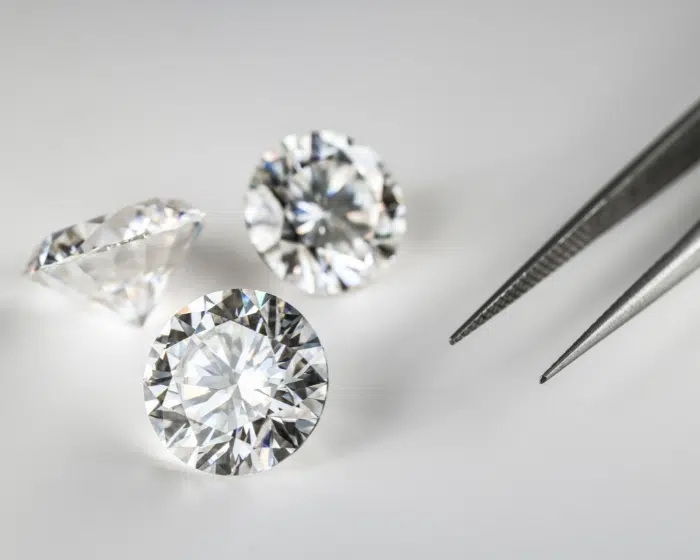
Gemstone heft is a key factor in calculating the value of a precious stone. It reflects the gem's heft, traditionally measured in carats, where one carat equals 200 milligrams. A heavier carat weight often implies a amplified price, though other factors such as color, clarity, and cut also matter substantially. Observing carat weight can help investors in making wise selections when acquiring gemstones. It is critical to remember that carat weight is not the sole standard of value; all features must be considered for a comprehensive review.The Charm of Gold-Plated Accessories
Gold-clad trinkets has enchanted admirers for historical times. The allure lies in its sparkling brilliance that imitates the splendor of bona fide gold but at a friendlier cost. Whether sleek collars or dazzling claps, these pieces promptly improve any clothing and lend a hint of grace to your presence.
- Fabricated from a foundational metal with gold plating, gold-plated jewelry provides a useful option for those seeking gold's allure without hefty costs.
- Nonetheless, keep in mind that over time the covering could erode due to exposure to wetness, chemicals, and grinding.
- With appropriate management, your gold-plated treasures can stay intact, supplying happiness and elegance.
Choosing Between Brass and Stainless Steel
When choosing a fitting alloy for your project, toughness is vital. Both brass and stainless steel are widely used metals, each with its unique features. Brass, with a earthy color, is esteemed for suppleness and resistance to wear. Conversely, stainless steel is prized for excellent hardness and a minimalistic vibe.
- Deliberate your project’s requirements: will it encounter harsh circumstances? Do you need a metal that withstands heavy friction?
- Presentation are also critical. Brass offers a heritage vibe, whereas stainless steel presents a streamlined image.
- Monetary factor always matters. Brass tends to be economical compared to stainless steel, although final costs depend on the standard of metal used.
By responsibly reviewing these components, you can select the metal that best fits your project and create a remarkable result.
Brass Jewelry Shine: Stylish but Inexpensive
Adding classic aura or bohemian flair to your wardrobe has never been more attainable thanks to metal amulets. Economical and easily paired, brass pieces can raise multiple dress styles from casual to chic.
A extensive collection of styles are available, from delicate chains to chunky bracelets. The radiant tawny hue of brass accentuates a wide range of complexions and adds a unique touch to your outfit. Whether you favor understated designs or more elaborate styles, brass ornaments are waiting to be discovered.
Don't let the economical cost of brass jewelry trick you – these pieces present eternal class and can be deliberately matched for both unpretentious and official looks.
Stainless Steel: Resilience and Elegance
Corrosion-resistant jewels has won extensive popularity in current era. Its outstanding durability coupled with trendy designs makes it a highly regarded choice among wearers of all groups and orientations. Unlike conventional materials, stainless steel is highly impervious to rusting, ensuring your jewelry appears new for durations. This provides an smart option for daily wear.Moreover, stainless steel can be formed into a large assortment of designs, from understated pieces to embellished creations. It permits various patterns, incorporating polished, brushed, and even patterned surfaces. This pliability makes stainless steel jewelry befitting for any event, whether ordinary or official.
Jewelry Surface Coating Methods
Across centuries, jewelers have exploited electroplating to bestow beauty and longevity to their creations. Heritage methods like auric plating are still favored, giving pieces a vibrant polish. However, the realm of electroplating continuously advances, incorporating modern techniques to forge bright layers. Next-gen methods such as rhodium plating offer a variety of surfaces, from the icy brilliance of white gold to the deep, dark richness of black rhodium. The choice of electroplating technique is decided by numerous factors, including metal mix and intended function. Whether an elegant amulet or a commanding item, electroplating remains an indispensable tool for jewelers to enhance their work and mesmerize discerning buyers with timeless appeal.Gold Overlay Techniques
Gold overlay furnishes an exquisite procedure to refine the finish of elements. This methodology involves putting a light veneer of gold onto a core component, generating a lustrous, durable finish. From fine jewelry to decorative furniture, gold plating furnishes a sign of extravagance.
- Gold plating can change ordinary material into fine heirlooms.
- Experienced fabricators use various approaches to achieve a immaculate gold-plated layer.
- Gold plating is often used in industries such as jewelry making, where stamina and a graceful appearance are vital.
Carat System for Gem Evaluation
When discussing gemstones, understanding how their mass is measured is necessary. This is where the mass unit comes into play. A carat, often abbreviated as "ct", is the standard scale used to express gem size. One carat equals 200 milligrams or 0.2 grams.
The root of the designation "carat" is traced back to the carob seed, a edible seed historically leveraged as a standard balance. The consistency in size and weight of these seeds made them ideal for trade and weighing purposes.
- Notably, carat weight is not directly linked to the extent of a gemstone. For example, a 1-carat emerald can be larger than a 1-carat ruby due to different gravity.
- Consequently, it’s vital to remember that carat weight alone doesn’t establish gem value. Other factors such as color, clarity, cut, and origin also exert significant weight.
Stylish Plated Jewelry for Less
Covered precious items has won the enthusiasm of fashion followers world over due to its merging of elegance with budget wisdom. It supplies a means to carry dazzling items without large outlays.Frequently, plated jewelry features a base metal coated with precious layers. This process increases the gleam and durability of the piece, causing jewelry that matches higher-priced counterparts.The charm of plated jewelry lies in its breadth. From delicate earrings to conspicuous necklaces, there’s a style for every savor and affair. Whether you desire enduring or modern styles, plated jewelry offers a variety of options.Fortifying the appeal is the trend of mixed metals, where different shades of plating are united for a unique and in vogue appearance.Selecting Jewelry Metals: Finding the Ideal Choice
Picking jewelry metals predominantly decides both aesthetic appeal and resilience. A varied spectrum of metals are available, each with unique traits, price points, and symbolic meanings. From the traditional elegance of gold to the current chic of platinum, understanding metal nuances helps find the perfect match for personal style and requirements.Deliberate whether you prefer a brilliant metal like yellow gold or a muted look with white gold or silver. If hardiness is paramount, chrome offer notable strength and resistance to tarnishing. For those seeking a unique color, rose gold and copper emit friendly brightness.All in all, the best metal does brass tarnish for jewelry reflects your individual preferences and lifestyle. Explore the variety of available options to find the ideal metal that enhances appearance and remains durable.