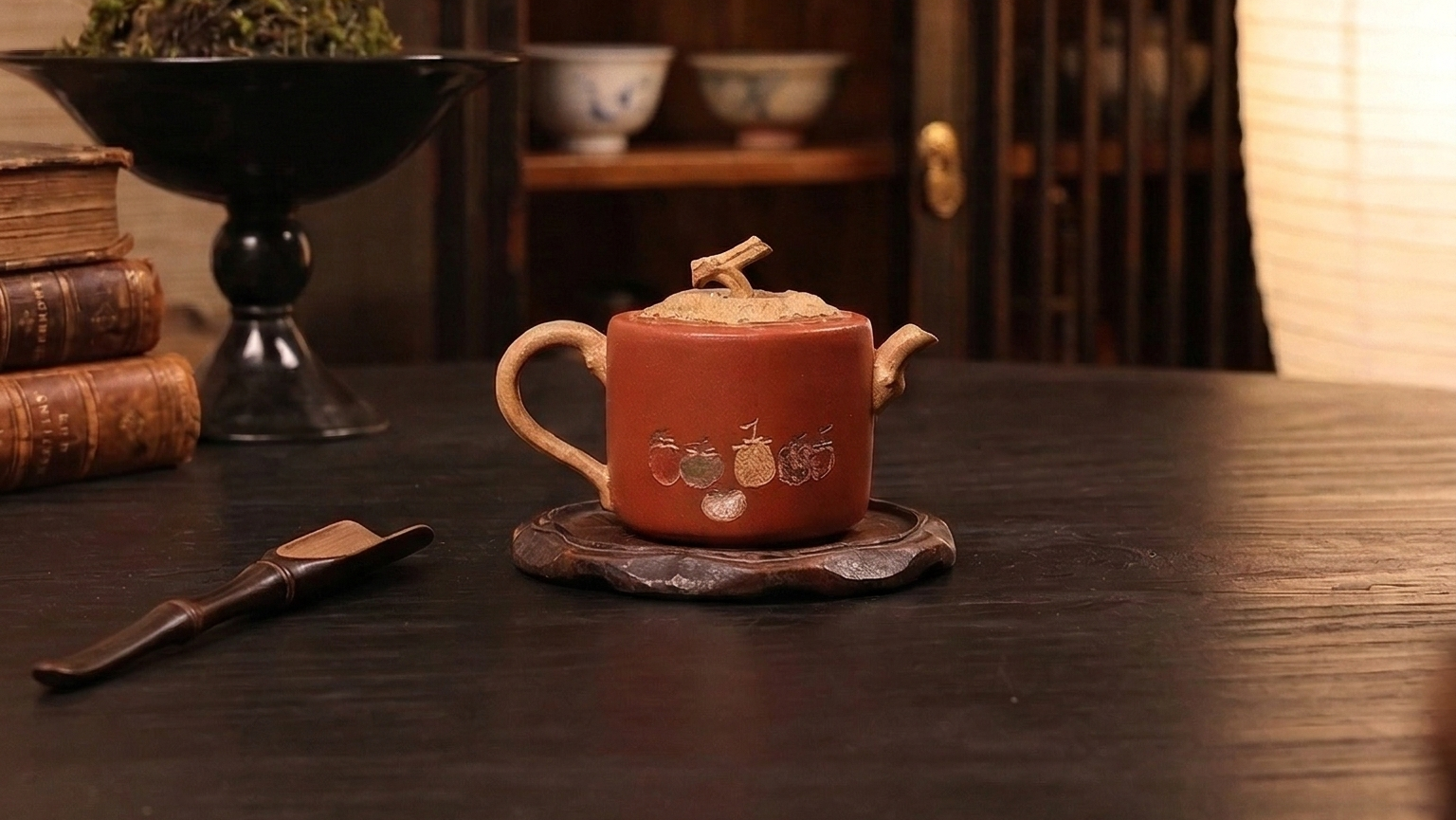
texture centric Yixing clay infusion kettle?
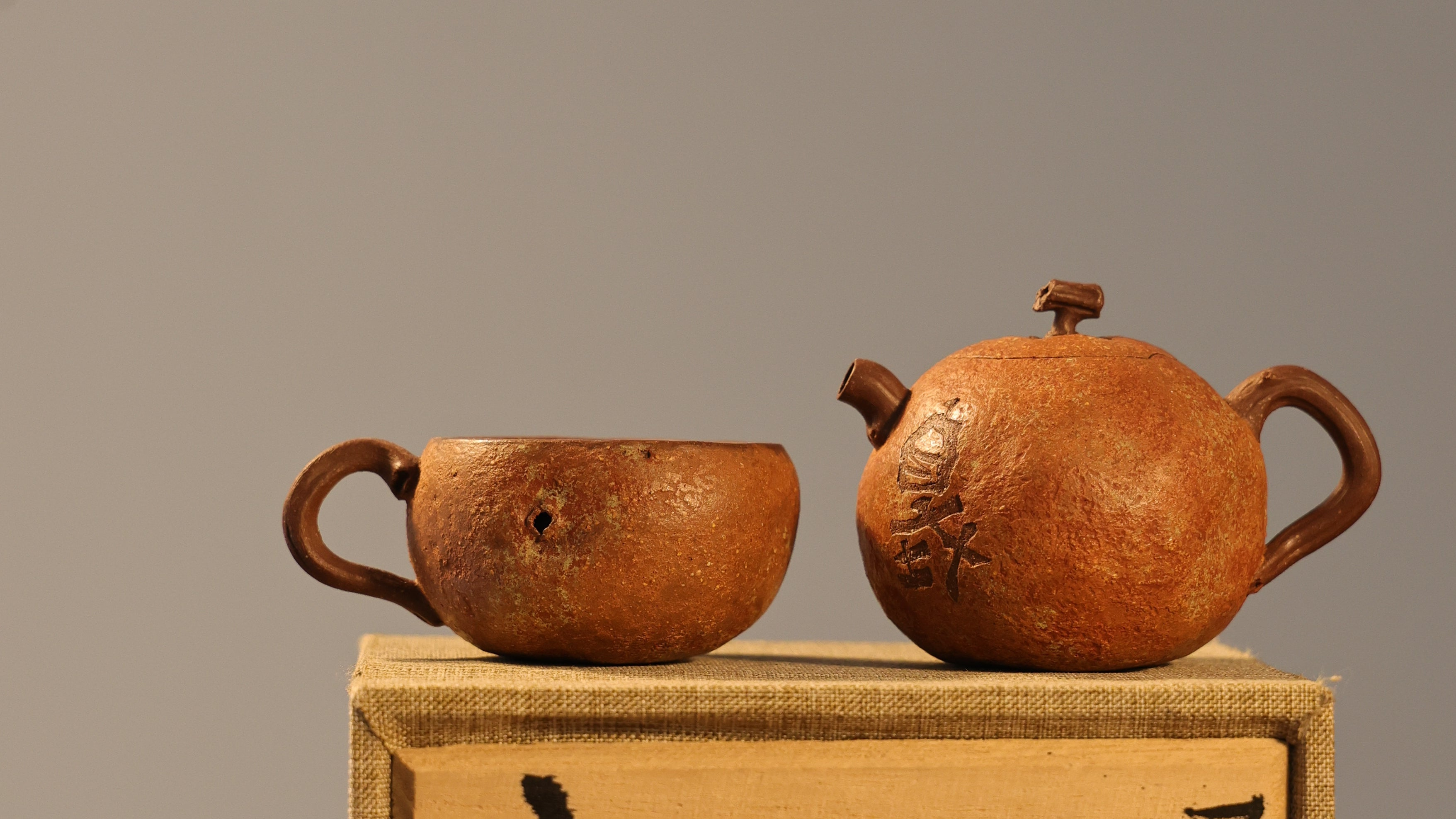
Embarking such in-depth inspection regarding Eysing Tz'u Sha porcelain pots brings an intriguing combination with craftsmanship alongside practicality.
Ihsing Zi Sha ceramic vessels enjoy a unique charm among collectors internationally. Such fascinating clay pots, produced from the specific Yixing location close to Jiangsu administration, China, stand as more than just infusion tools; they are recognized as works crafted beauty and historical significance. Distinct finely sorted clay, known referred to as Zisha, imparts a delicate flavor to the tea, and the fancy designs, often exemplifying traditional Chinese symbols, contribute to their core value. Attaining a genuine Yixing Zisha teapot constitutes a delightful journey, posing careful scrutiny and an comprehension of the several factors influencing the exclusivity.
Delving into Yixing Teapots
Yi-hsing ceramic containers boast a rich chronicle deeply interwoven with Chinese customs. Originating in Yixing, Jiangsu province, these jugs are crafted from a unique, porous purple material found only in that notable location. Their origins began during the Ming era, with master sculptors refining the approaches over centuries. Distinct types are found, including the classic Hexiang (resembling crab shells), Zhuni (red-brown hue), and Duan Ni (stone-studded) Purple Clay Teapot – each with distinctive qualities. The price of an Yixing tea container isn't solely based on its size or design, but also on the craftsman’s reputation, the mineral's quality, and the vessel's age and condition. Gatherers often seek out older examples, believing they enhance the savor of the infusion brewed within them over time, further adding to their renown.- Classic Tea Containers
- Earth-Toned Brewing Vessels
- Rock-Adorned Brewing Vessels
Zisha Teapot Mastery: Creation & Systems
This manufacture of Zisha teapots represents a height of Chinese ceramic craft. Seasoned artisans employ traditional techniques, often passed down through ancestry, to unlock the full quality of this unique clay. Processes involve meticulous modeling by hand, often combined with the coiling method, followed by precise heating at incredibly potent temperatures in wood-fired kilns. Decorating is equally crucial; creators utilize authentic clay colors and may incorporate carving work to depict intricate scenes or patterns, demonstrating a profound comprehension of the material’s attributes and expressiveness. The finished teapot isn't merely a vessel for tea, but a testament to a substantial cultural custom.
The Brewing Pots: Special Introduction to Ihsing Tzu Sha
Probing the world of Chinese teapots frequently initiates with Yixing Zisha. These particular clay brewing tools are crafted from a particular type of clay discovered only in the Yixing region of the Jiangsu district province. Distinguished for its distinctive reddish-purple hue and outstanding characteristics, Zisha clay offers a soft flavor to the elixir and advances with age, becoming a cherished treasure. Possessing Yixing Zisha containers is more than just controlling a exquisite object; it’s a dedication of history and talent.
Surveying exclusive Zisha: Authenticity & Appreciation
Venturing into the realm of Yixing Zisha ware can be absolutely beneficial, but obliges a meticulous judgment. Accuracy is imperative; abundant reproductions occur, habitually craftily constructed. Training about ancestral curing practices, defining earth qualities, and the markings of acclaimed fabricators is entirely fundamental. Additionally, grasping the subtleties of the appreciation development – influenced by reasons such as traditional importance and the condition of the component – is vital to sound acquisition.
- Surveying heating origins.
- Consulting authorities for endorsement.
- Analyzing market changes.
One Craft of Concocting with a Earthen Kettle
Unique one-of-a-kind allure of a Zisha brewing system lies not just in its splendid appearance, but also in its important impact on the taste of the elixir. These classical clay containers, sourced from special regions of China, possess a original porosity that gently interacts with the substance and leaves, imbuing the cup with a subtle character. Mastering the approach requires a steadfast approach, understanding how the soil responds to varying degrees and herbal types, ultimately leading to a sincerely rewarding drinking ceremony.
Safeguarding Exclusive Artifact
Proper care of your Yixing container is essential to protecting its longevity. These remarkable teapots, crafted from distinctive Yixing clay, form a gradation over eras that magnifies their worth. Systematically rinse the inside with filtered water, avoiding soap, and never use rough scrubbing tools. Supplementary gentle polishing with a smooth cloth can assist in taking off patches. Allow your vessel to totally dry before each serving
Unveiling Yixing: Reasons Particular Kettles Stand for Exclusive
The renowned appeal of Yixing teapots derives from the exclusive properties of Zisha clay, mined solely near Yixing, Jiangsu. This distinct clay, consisting of ferruginous soil , boasts a peculiar combination of elements that, through experience, retain the flavor of the brews it retains. This brings about a distinctive flavor profile for each kettle, rendering it a rate far surpassing its baseline-level price and contributing to their sought-after status among aficionados.
Selecting the Best Ancient Kettle: A Zisha Guide
Venturing into the world of Zisha clay teapots can feel daunting, but understanding the essentials is crucial to picking a cherished piece. This variety of clay, sourced predominantly from the environs of Yixing, Jiangsu, is famous for its distinctive texture and ability to enhance the taste of the infusion over years. Consider the shape, the color, and the overall aesthetic; a genuine Zisha teapot is more than just a vessel; it's a work of art and a example of cultural culture. View the etching of the designer for clues to its lineage and potential significance.