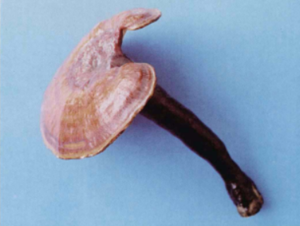
What client education is needed for best results with TCM Herbal Therapy?
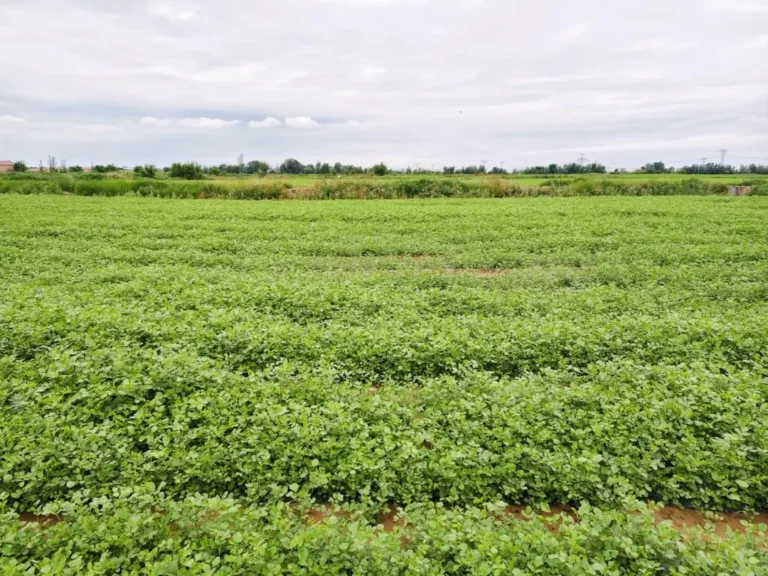
Launching a quest within Oriental flora remedy displays a realm of poise and deep intelligence.
Leveraging diverse plant parts such as tubers, leafage, blooms, ovules, and even minerals, handles the original causes of unwellness while encouraging steady wholeness. Advising a experienced consultant is recommended before commencing any organic regimen.
The energy of tradition: investigating historic Classical regenerative herbs
For eras, historic Classical practice has taken advantage of a large and sophisticated knowledge of the environmental domain, particularly its extraordinary assortment of greenery. This classical custom, passed down through lineages, applies these influential constituents – like ginseng, astragalus, and turmeric – to rejuvenate the body’s vital strength, known as Qi. The principle behind their use isn’t simply about treating indications; it’s a comprehensive approach aimed at resolving the core reason of sickness, engaging with the body’s inherent ability to mend. Many current scientists are now beginning to investigate and endorse these classical Chinese blends finding validation sustaining their efficacy, revealing the unchanging capacity and serious insight contained within this legendary regime of remedial attention.
Heritage Phytomedicines: Pros, Applications, and Defenses Issues
For ages, Classical practices have employed a expansive spectrum of medicinal plants for assuaging various maladies. These organic cures, sourced from diverse niches, are thought to stabilize flow within the frame. Common uses extend to enhancing immune function, lessening discomfort, and augmenting digestive processes.
- They commonly be formulated in complex formulas customized to the individual's unique constitution.
- Favored selections like ginseng, ginger, turmeric, and astragalus present various potential benefits.
- While generally considered, Chinese medicinal herbs are not always benign.
Ancient Chinese Herbal Medicine: The Means It Works & Multiple Conditions It Treats
Oriental herbal medicine herbalism is a elaborate system of healthcare that’s been practiced for countless years. Rather than addressing distinct outcomes, TCM interprets the body as an integrated entity and endeavors to regain balance to its vital life force, or "Qi" (pronounced “chee”). Green concoctions are meticulously designed by trained therapists who examine a patient’s particular profile Chinese Herb Therapy of deficiencies – including factors like heartbeat evaluation, tongue study, and general health history. The herbs themselves aren’t seen as simply treating a disease; instead, they work to address the underlying root cause through multiple methods, including improving organ health, promoting flow, and fortifying weaknesses.
- Nourishes Qi
- Modulates bodily organs
- Disperses resistances
Investigating Traditional Chinese Herbal Medicines for Best Vitality
For centuries, Traditional Chinese Medicine (TCM) has made use of a broad array of herbs to advance wholeness. These organic cures, carefully chosen and united, offer a comprehensive approach to addressing the primary drivers of disorder within the body. Researching these robust botanicals—like ginseng, astragalus, or goji berries—can be a fascinating endeavor toward reaching optimal health and enhancing your organic steadiness. Many individuals are now fetching this ancient wisdom to boost modern clinical procedures and take advantage of the significant benefits these herbs can afford. It’s crucial to work with a certified expert before launching any new natural therapy.
That Thorough Review into Popular Chinese Botanical Preparations
For millennia, Chinese treatment has utilized a range variety of natural treatments, and many remain notably popular today. Wild Ginseng is perhaps the most renowned, believed to amplify energy levels and overall vitality. Then there’s Tumeric root, increasingly celebrated for its potent swelling reduction, often combined with corn pepper to intensify absorption. Milkvetch root, another significant herb, is thought to enhance the immune system and support healthy lung function, while Lycium fruit are valued for their high antioxidants and contribution to eye health. These are just a few examples of the potent plants used in this ancient discipline – each with its own unique past and applications.
Integrating Eastern Phytomedicine with Up-to-date Health Support
The increasing interest in integrative approaches to fitness has fueled a important exploration of incorporating Chinese organic cures with mainstream healthcare. This developing field works to harness the singular strengths of both systems, potentially advancing patient outcomes for a extensive set of problems. Investigators are increasingly scrutinizing ways to conscientiously incorporate these classical practices, often alongside usual medical treatments, while observing the importance of empirically proven protocols and patient safety.
Appreciating the Essentials Behind TCM Herbal Compounds
Scrutinizing Traditional Chinese Medicine’s (TCM) herbal procedures exposes a captivating system far beyond simply merging botanicals. The starting point of TCM formulation lies in acknowledging the intricate bond between yin and yang, the Five Elements (branch, fire, earth, metal, water), and the patient’s personal pattern. Each herb possesses singular properties – its dynamism (warming, cooling, moistening, drying), palate impression (sweet, sour, bitter, spicy, salty), and meridian relationship – which guide how it interfaces with the body. Master herbalists thoughtfully evaluate these factors to construct a harmonious formula; one where herbs act jointly to manage the principal cause of an problem rather than merely reducing symptoms.
- Energetic Balance: Recipes target a well-matched blend, often pairing warming and cooling herbs or moistening and drying ones.
- Pentad Principle: This guides the selection of herbs to modulate disturbances within this periodic arrangement – for instance, using fire-element herbs to support earth-element deficiencies.
- Custom Tailoring: A unique disorder (like a headache) may be treated with completely different herb mixtures depending on the patient’s primary nature (surplus fire, deficiency cold, etc.).
That Science Integrates With Tradition: Explorations on Ancient Medicinal Vegetal Remedies
For periods, old Chinese medicine has made use of a wide range of medicinal flora to manage various complaints. Now, modern science is launching examinations into these practices, capitalizing on sophisticated techniques to validate the success and decode the systems behind them. Experts are analyzing the active ingredients of these medicinal plants, inspecting their impact on biological functions, and seeking to find active agents that can be further developed into novel therapies. This crossroads of insight from old practices and contemporary scientific rigor promises to reveal a broader insight for the power of Chinese medicine while also bolstering conscientious and fact-checked approaches to its execution.